If two convenience stores sell the exact same products, why does one survive while the other disappears?
Ever wonder why one convenience store shuts down while an almost identical one down the street thrives? Let's unpack why "same products" doesn't mean "same outcome."
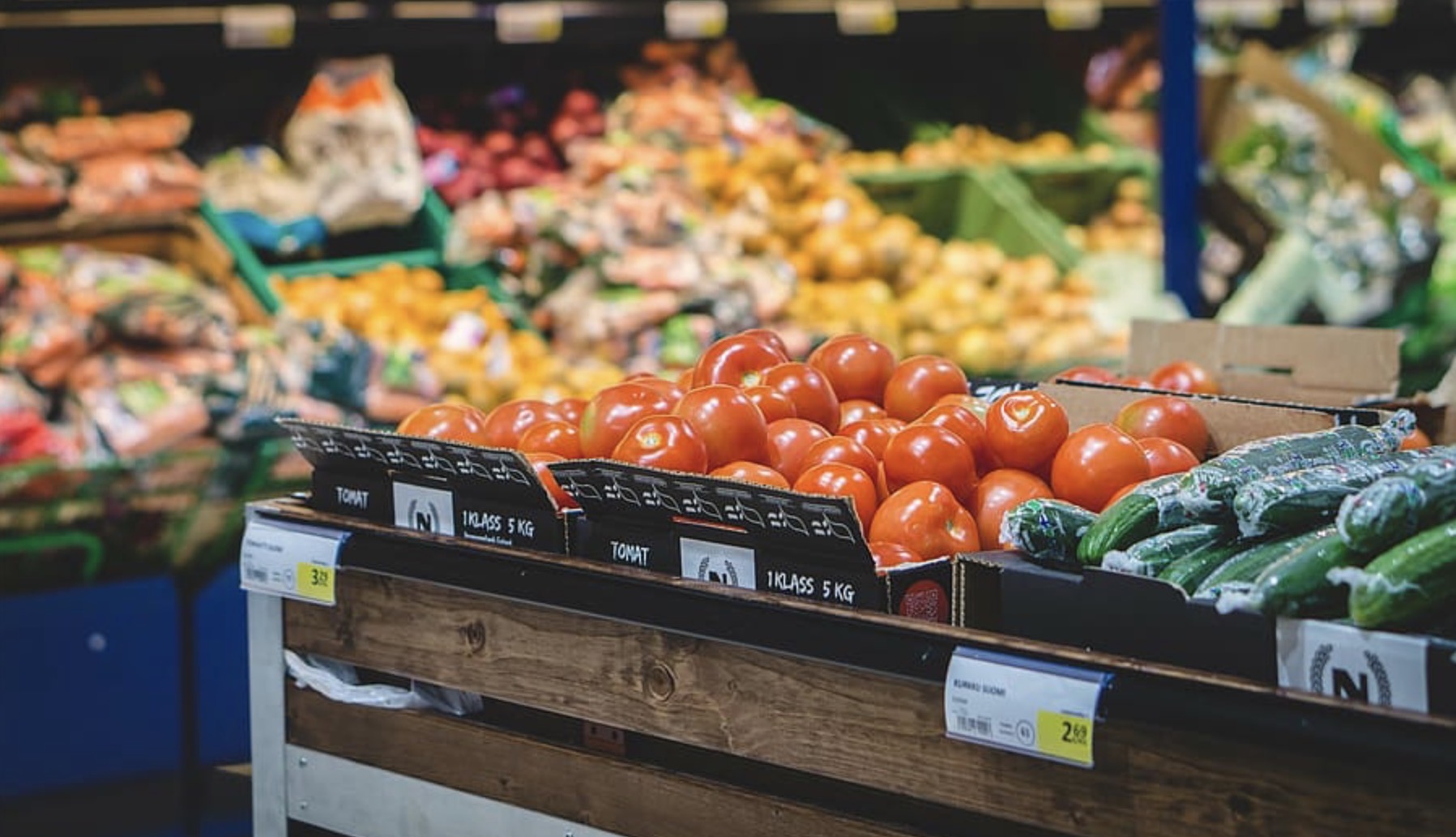
We walk into convenience stores almost every day without really thinking about them. But you'll start to notice something strange if you compare them side by side. Around 80% of what's on the shelves is identical. So if the products aren't actually different, what decides who wins? My first instinct was the usual stuff, location, branding, marketing, maybe some private label products, or maybe just whichever staff seems less annoyed to see you. But I actually got to watch this play out in real life, right in my own neighborhood, which made the whole question way more interesting to sit with. There used to be just one convenience store on my block. Let's call it Store A. It had been there forever, so it was always the default stop on the way home, mostly out of habit. Then Store B opened up a few blocks down, and everything in it was basically identical to Store A, like someone had copy pasted the shelves over. Honestly I expected both to survive, since neither one was really competing through the product itself. But within a few months, Store A had closed. That surprised me more than I expected it to, and it made me start wondering whether businesses actually compete on their products as much as we assume they do. As I thought about it more, I realized this wasn't really unique to my neighborhood at all. Michael Porter argues that when firms can't compete through the product itself, competition just shifts to everything surrounding it, cost, convenience, customer experience, operational efficiency, all of it. Once I had that idea in my head, the rest of what I noticed about Store A and B started to feel less like random details and more like evidence. The first thing was location. Store B sat right on the corner, easy to just stop by without thinking. Store A was tucked along the side of a two way road, which meant crossing traffic or timing your walk around it. So Store B naturally pulled more foot traffic without really trying. But I don't think it's just about being visible. Store B reduced friction. Customers didn't have to cross the road, take a detour, or even really think about stopping. Those tiny inconveniences seem meaningless on their own, but multiplied across hundreds of people every single day, they turn into a real competitive advantage. Second was pricing and small promotions. Store B constantly ran little deals, buy one get one on drinks, discounts for bundling snacks, that kind of thing. Store A just kept everything flat and never really moved. Interestingly, these promotions didn't actually save people that much money. A few cents here and there. But they changed how people felt about the purchase. Behavioral economists call this framing, where even a tiny discount makes someone feel like they made a smarter choice, even if the actual savings barely register. Then there was the vibe of the place. Store B was brighter, cleaner, laid out so you could basically see everything the second you walked in. Store A felt a little cramped and dim in comparison. It sounds shallow, but I don't think it really is. Store B made shopping feel effortless. Wider aisles, better lighting, clearer displays, all of it lowered the mental effort it took to find what you actually came for. Good retail design isn't really about looking nice, it's about reducing how much someone has to think just to buy a drink. This lines up with research on consumer behavior showing that convenience and perceived effort strongly shape purchase decisions, especially for routine, low involvement purchases like grabbing a snack on the way home. Looking back, I don't think Store B beat Store A by selling something better. It won by making a bunch of tiny decisions that customers probably never consciously noticed, where the entrance was, how the shelves were arranged, which promotion was running that week. None of those choices seem significant on their own. But together, they were basically the whole reason one store survived and the other didn't. It makes me wonder how often success in business actually comes down to one big idea, versus just hundreds of small decisions executed consistently, week after week. Store B didn't win because it sold something different. It won because it made buying the exact same stuff just a little bit more convenient.