The Matcha Economy: Why We Keep Paying More for Things We Don't Need
Performative check: who spends all their life savings on matcha?
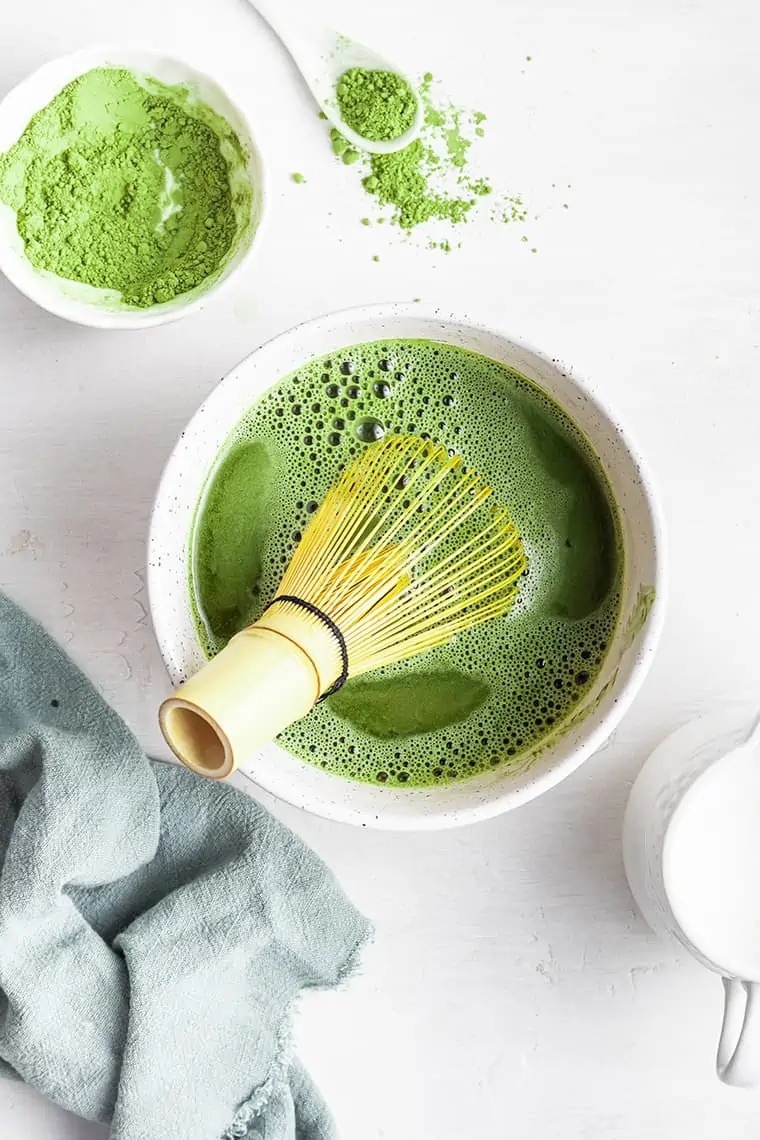
There's a particular kind of financial crisis that happens when you open your banking app after a week of going out.
You see a matcha here, a coffee there, maybe a little treat because you've had a long day. None of the purchases seemed particularly irresponsible at the time. You weren't buying designer bags or booking spontaneous trips to Japan. You were just living. And somehow, your money is gone.
What's interesting is that we often know these purchases aren't necessities. We know we could make coffee at home. We know the cheaper drink probably tastes fine. We buy them anyway.
So what exactly are we paying for?
It's not just a drink. It's a feeling.
Imagine two drinks sitting in front of you. They're almost identical, but one comes in a plain plastic cup while the other comes in beautiful packaging, has a minimalist logo, and looks incredible in a photo.
Which one feels more worth buying?
For a lot of people, it's the second one. Not necessarily because it tastes better, but because the experience feels better.
Economists call this utility, which is essentially the satisfaction we get from consuming something. The important part is that satisfaction doesn't come exclusively from the product itself.
A drink can give you caffeine, but it can also give you a break between classes, a cute photo, an excuse to meet a friend, or the feeling that you've finally done something nice for yourself after a stressful week.
You're not necessarily paying ฿180 for matcha. You're paying for everything the matcha represents.
And businesses understand this incredibly well.
Brands don't just sell products anymore. They sell identities. A particular coffee order can become part of your personality, and a specific brand can signal the kind of person you want to be. When buying something makes us feel closer to that identity, its value becomes much bigger than its practical use.
Your For You Page is basically a salesperson.
Except this salesperson doesn't need to convince you to buy something directly. Think about how many products you've discovered through TikTok or Instagram. Maybe you saw a creator recommend a skincare product, watched three reviews, and suddenly felt like everyone owned it except you.
That last feeling matters.
Behavioral economics studies how people make decisions when they're influenced by factors beyond straightforward calculations. One of those factors is social proof: we're more likely to want something when we see other people wanting it, too.
Social media makes this especially powerful because we don't just see advertisements. We see people who seem like us using the products. We see their morning routines, their study sessions, their weekend outings, and the products that supposedly make those experiences better.
Eventually, the product starts to feel like a small requirement for the lifestyle we want.
And because trends move so quickly online, there's always something new to want. Last month's must-have becomes this month's old news.
The result? Our idea of what counts as a normal purchase can change without us really noticing.
When everyone around you is buying expensive drinks, skincare, clothes, or concert tickets, spending that money can start to feel completely ordinary. You aren't necessarily comparing the purchase with your budget anymore. You're comparing it with what everyone else is doing.
The problem isn't buying matcha.
Honestly, I don't think the solution is to stop buying things that make us happy. Life would be pretty miserable if every purchase had to be justified by its long-term financial return. Sometimes, you really do want the drink. Sometimes, spending time with friends over overpriced coffee is worth it.
The problem starts when we confuse wanting something with needing it, or when we stop noticing why we want it in the first place.
There's also an important distinction between choosing something because you genuinely enjoy it and buying it because you feel left out without it.
Both purchases might look identical on your banking statement. The difference is in the decision behind them.
One useful trick is to pause before buying something you've just discovered online. Ask yourself whether you'd still want it if nobody else could see you using it. Or whether you'd buy it if it weren't trending this week.
You don't have to say no. You just have to make sure the answer is actually yours.
So, what are we really consuming?
The matcha economy isn't really about matcha. It's about how businesses turn feelings, social pressure, and personal identity into purchasing decisions.
Understanding that doesn't make us immune to marketing. Even people who know the psychology behind a purchase can still be influenced by it. That's kind of the point: our decisions aren't always as rational as we imagine.
But being aware of these influences gives us a little more control over them. The next time you spend ฿180 on a drink, enjoy it. Just know what you're paying for.
And maybe check your banking app before ordering another one.