The Psychology Behind Buy Now, Pay Later
And Why Retailers Love It
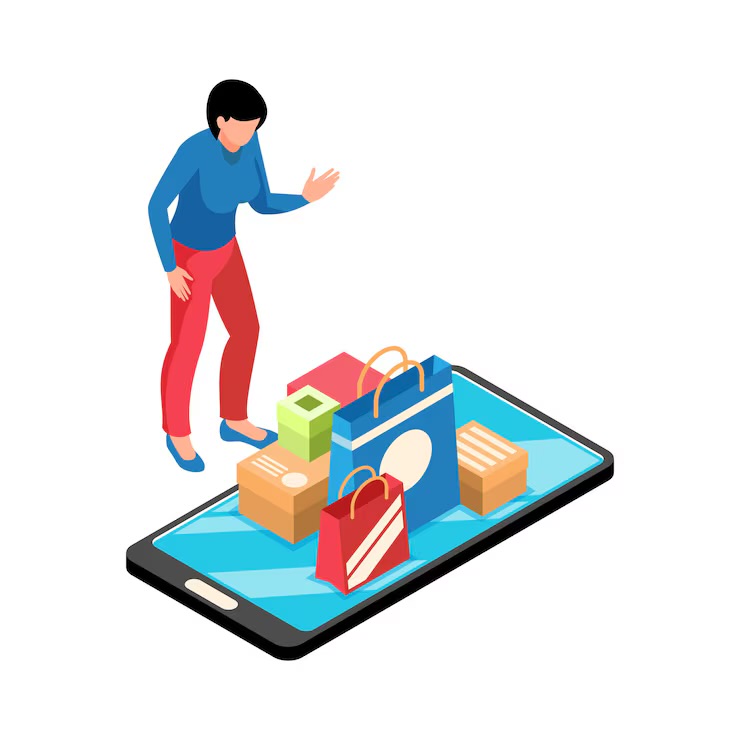
I've noticed this happening almost everywhere I shop online. I'll be checking out, and right next to the regular payment option there's suddenly this little button that says something like "split into 4 payments" or "pay later." And it's not just one app doing this, it feels like every single platform has added it in the last year or two. Shopee has it, Lazada has it, even some in store purchases have it now. So I started wondering, why did this become such a popular payment method? What does it actually say about how people spend money these days? At first I honestly didn't think much of it. I just assumed it was there because customers wanted more flexibility, a modern version of installment plans that have existed forever. But if that were the whole story, why are retailers so eager to push it at checkout, sometimes more visibly than the regular payment button itself? Clearly they were getting something out of it too, not just offering it out of convenience.
From the retailer's side, this isn't really about giving customers another way to pay. It's about increasing the odds that someone actually finishes the purchase instead of abandoning their cart. Buy Now Pay Later transactions have grown into billions of dollars in spending globally over just the past few years, which tells you this isn't some niche feature anymore, it's become core to how a lot of platforms sell things.
I actually understood this firsthand once I tried it myself, buying something I probably didn't need. I remember standing there thinking, wait, this thing is like 100 dollars, that feels like a lot. But then I saw the option to split it into four payments of 25, and suddenly it felt so much smaller in my head, even though obviously it's the exact same total amount. That gap between how something is priced and how it feels once it's broken up is honestly the whole reason this industry exists.
From an economics standpoint, this is a pretty clear example of mental accounting, the idea that people don't actually treat money as one single pool. We treat it in separate little buckets depending on how it's framed. A 2000 baht purchase feels like a big decision, something you have to think about. But four payments of 500 feels almost like a subscription, something small and forgettable. The total cost hasn't changed at all, but your brain processes it completely differently.
Then there's the bigger picture, which is honestly what worries me a bit. Buy now pay later apps are essentially short term debt, just wearing a friendlier outfit. Traditional credit cards come with warnings, interest rate disclosures, a whole "this is debt" energy to them. These apps feel nothing like that. They feel casual, almost like a checkout feature rather than a financial product. And I think that's exactly why they've spread so fast, they've managed to strip away the psychological weight that usually comes with borrowing money.
This connects to something economists call debt normalization, where a financial behavior that used to feel serious or risky slowly becomes just a normal part of everyday spending. In my parents' generation, taking on debt for a pair of shoes would have felt kind of reckless to a lot of people. Now it barely registers as debt at all, it just feels like another checkout button. Social media amplifies this even further. Platforms constantly expose people to products framed as essentials, things influencers are using or talking about like everyone already owns one. Buy now lowers the immediate financial barrier to acting on that impulse, which makes it easier to close the gap between the life you're seeing online and the one you're actually living, even if only in small, four part installments.
What really gets me is thinking about who these apps are actually built for. A lot of buy now pay later platforms are aimed at younger users who might not qualify for a credit card yet, or who are still building any kind of credit history. Which means an entire generation is learning to spend and borrow through an interface specifically designed to make debt feel light and painless. That's not necessarily evil on its own, but it does mean the emotional friction that used to make people pause before spending money they don't have is slowly disappearing. And this is where the retailer's incentive comes back into focus. Buy now pay later isn't just a nice option, it's a conversion tool. Higher completion rates at checkout, larger average order values since splitting payments makes people comfortable adding more to the cart, and fewer abandoned carts overall. From a business standpoint, that's an extremely effective piece of design.
So tying this together, buy now pay later isn't really a payment innovation as much as it's a behavioral design innovation. The product itself, splitting a payment into parts, isn't new at all. What's new is how well companies have figured out how to reframe cost in a way that lowers the psychological barrier to spending.
The more I sit with it, the more I think buy now pay later isn't really changing how we pay. It's changing how we think. The price hasn't changed. The product hasn't changed. Only the way our brain experiences the purchase has. And somehow, that small psychological shift has become one of the most successful business innovations of the past decade. I don't think buying now and paying later is inherently bad, and I still use it sometimes honestly. But now whenever I see that split payment option pop up, I try to pause and ask myself if I'd still want this thing if I saw the full price upfront. Most of the time, the answer is no.